The oldest businesses in the world sit at exchange points. I just asked: where's mine?
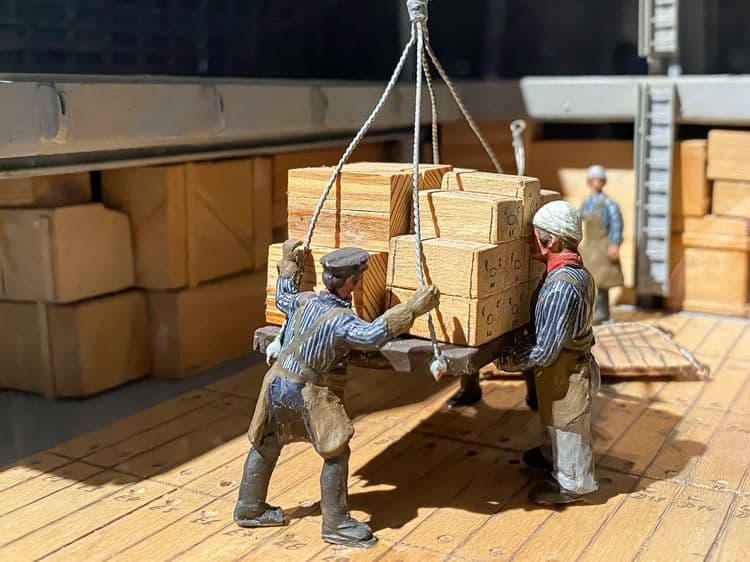
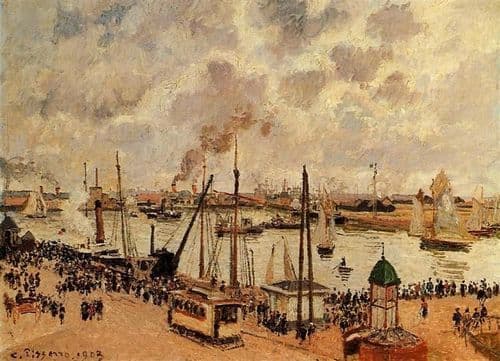
The oldest businesses in the world sit at exchange points. The merchant who set up shop at the mountain pass. The money changer at the port. The import broker who never grew a single crop but got rich on every harvest that crossed a border. The currency exchange at every international airport that has existed since commercial aviation began — not because they're clever, but because they're necessary. They sit where two systems meet and can't exchange without help. This isn't a new observation. Economists have written about it. Historians have documented it. Every trade route in human history has a version of it — the Silk Road had caravanserais, the spice trade had the Venetians, modern oil markets have their chokepoints. The pattern is ancient and consistent: wherever something valuable needs to cross from one system into another, a business grows at the seam. I'm not an economist or a historian. I'm a technical founder in Chicago with a dog named Moose who costs me hundreds of dollars a year in vet bills. But I've been obsessing over this pattern — specifically where it shows up in data. Because data has the same problem every physical good has ever had at a border crossing: it exists on one side and is needed on the other, and the crossing is harder than it should be. So I ran an experiment. I built a framework to find my version of the exchange point. Then I built a product to sit at it. This is what I learned.